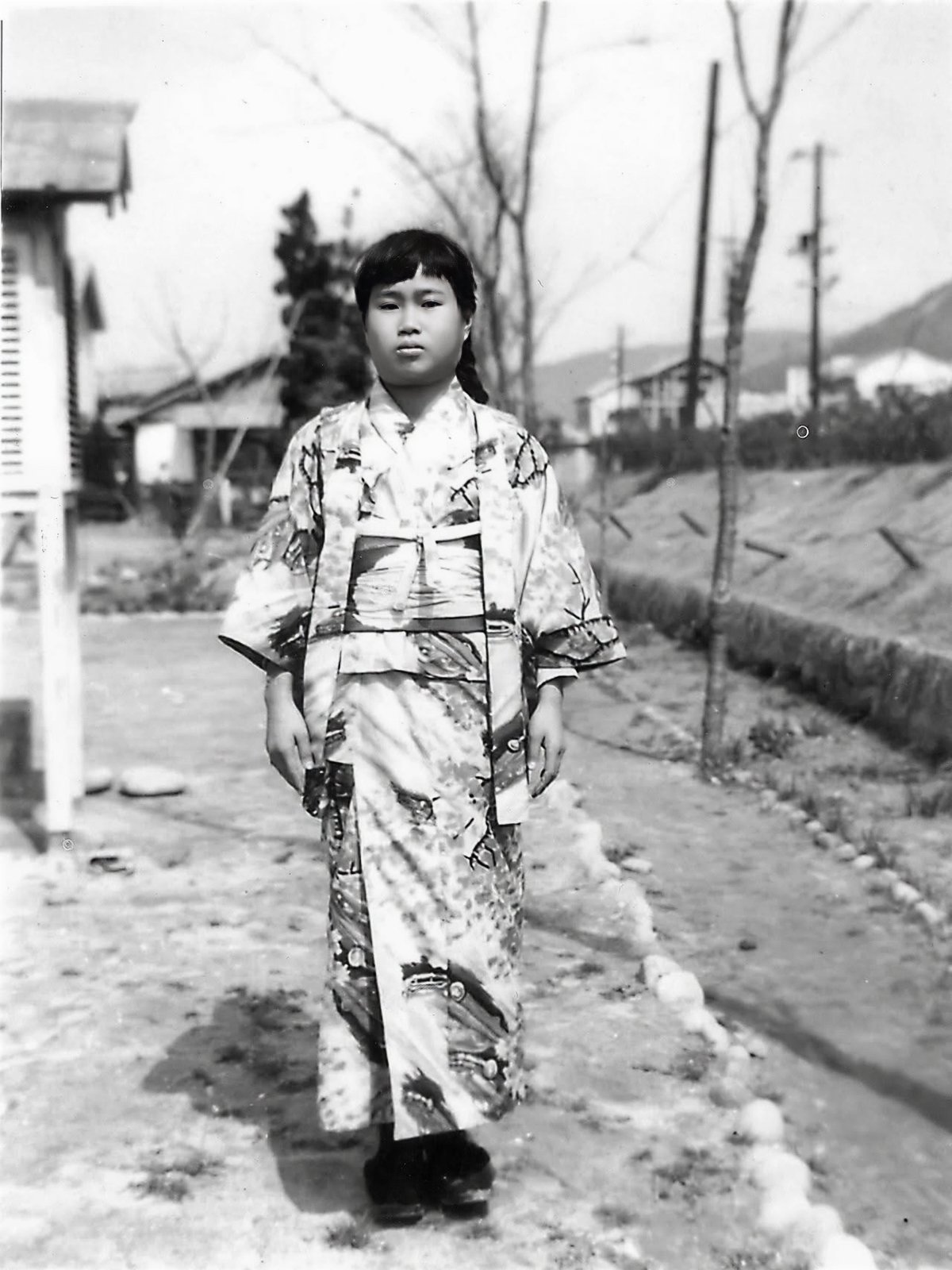
She had survived the Hiroshima bombing but was heavily irradiated, which gave her leukemia a decade later. She died on October 25, 1955 at age 12, becoming a symbol of the effects of nuclear war. In the hospital before her death she folded more than 1,000 paper cranes.
On August 6, 1945, when the United States dropped the atomic bomb on Hiroshima, Sadako was just two years old. She survived the initial blast, which killed an estimated 70,000–80,000 people instantly. However, like many survivors, she was exposed to radiation. Nearly a decade later, in 1954, she was diagnosed with leukemia, often called the “atomic bomb disease” in postwar Japan.
While hospitalized, Sadako learned of a Japanese legend that anyone who folds 1,000 paper cranes will be granted a wish. She began folding cranes and hoping for recovery. Accounts differ on the exact number she completed before her death, some say she exceeded 1,000, while others suggest friends and family helped finish the total after she died, but the crane became inseparably linked to her story.
Sadako died on October 25, 1955, at age 12. Her classmates later helped raise funds for a memorial to all children affected by the atomic bomb.
Added Fact: In 1958, the Children’s Peace Monument was unveiled in Hiroshima. At its top stands a statue of Sadako holding a golden crane. Every year, children from around the world send millions of folded paper cranes to the monument as messages of peace, making her one of the most recognized symbols of the global anti-nuclear movement.