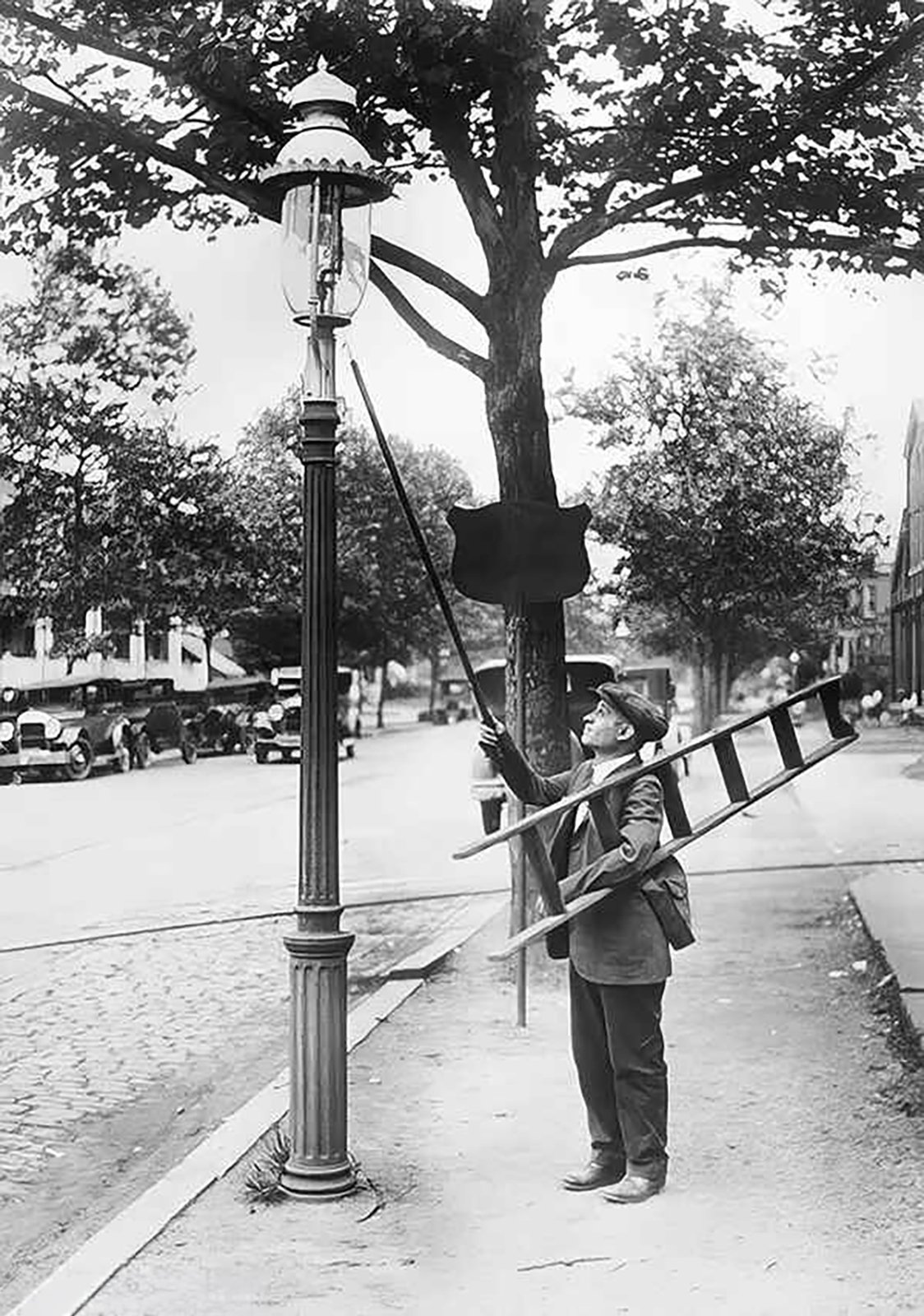
Another profession that reached its height in the 19th century but can still be observed today is lamplighting. In urban areas during this period, lamplighters would make their rounds at dusk, using a long pole with a wick to light street lamps. At dawn, they would return to extinguish the lights with a small hook attached to the same pole. Their responsibilities also included carrying a ladder to replace candles, replenish oil, or renew gas mantles.
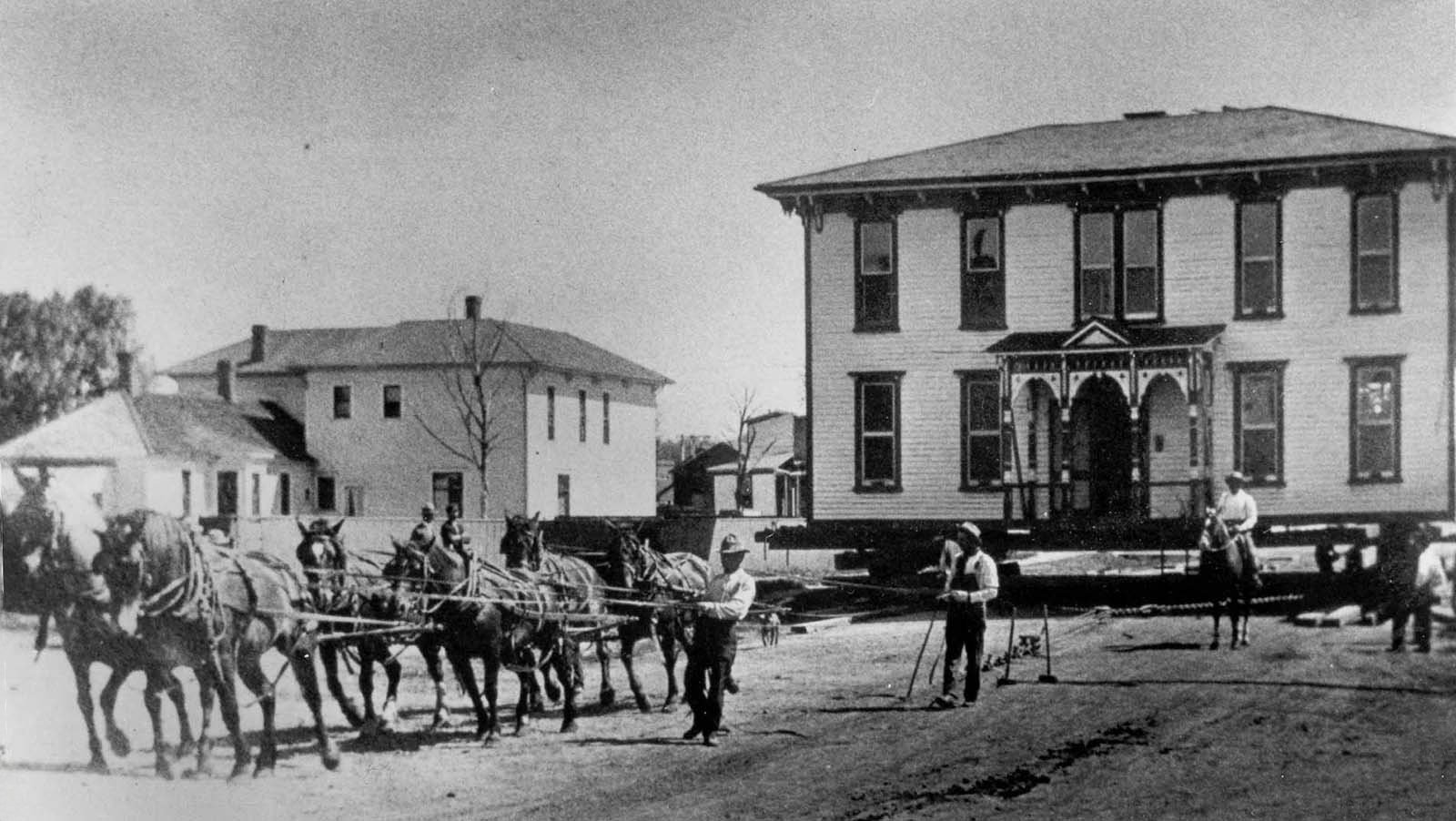
Settlers move a house with the help of horses during the late 1800s. From the 19th and early 20th centuries in the United States show teams of horses being used to move entire houses to new locations. With the rapid railway and urban development boom, a lot of people found themselves looking to relocate their log cabins, houses, Victorian mansions, and other abodes, and it looks like all they needed were some powerful horses.
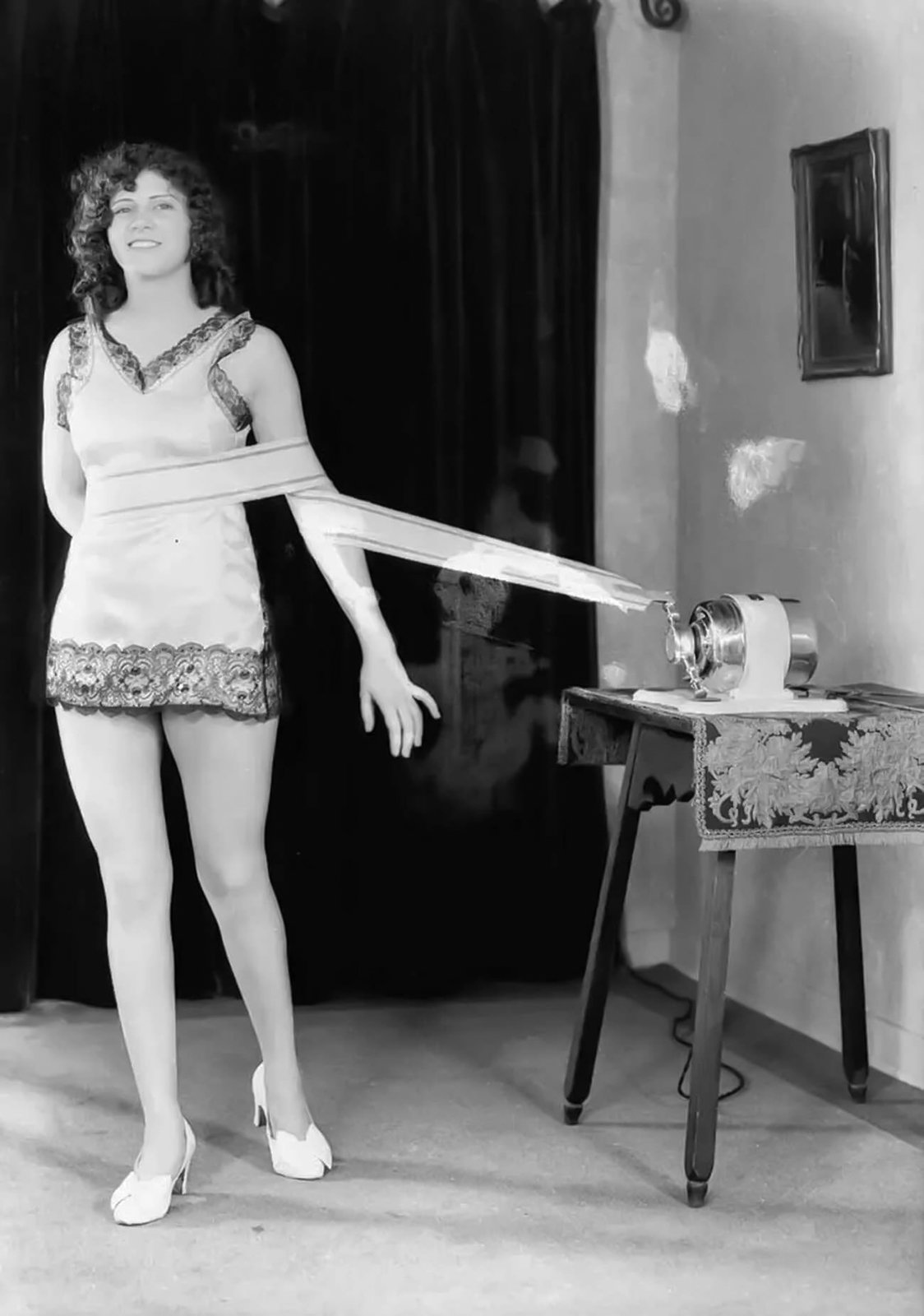
Fitness, as we know it today, may seem to be a relatively modern invention, but physical exercise obviously goes back much further than that. Starting from the early 20th century, people used elaborate contraptions, painful machinery, bizarre devices, and strange poses to get their ideal fit body.
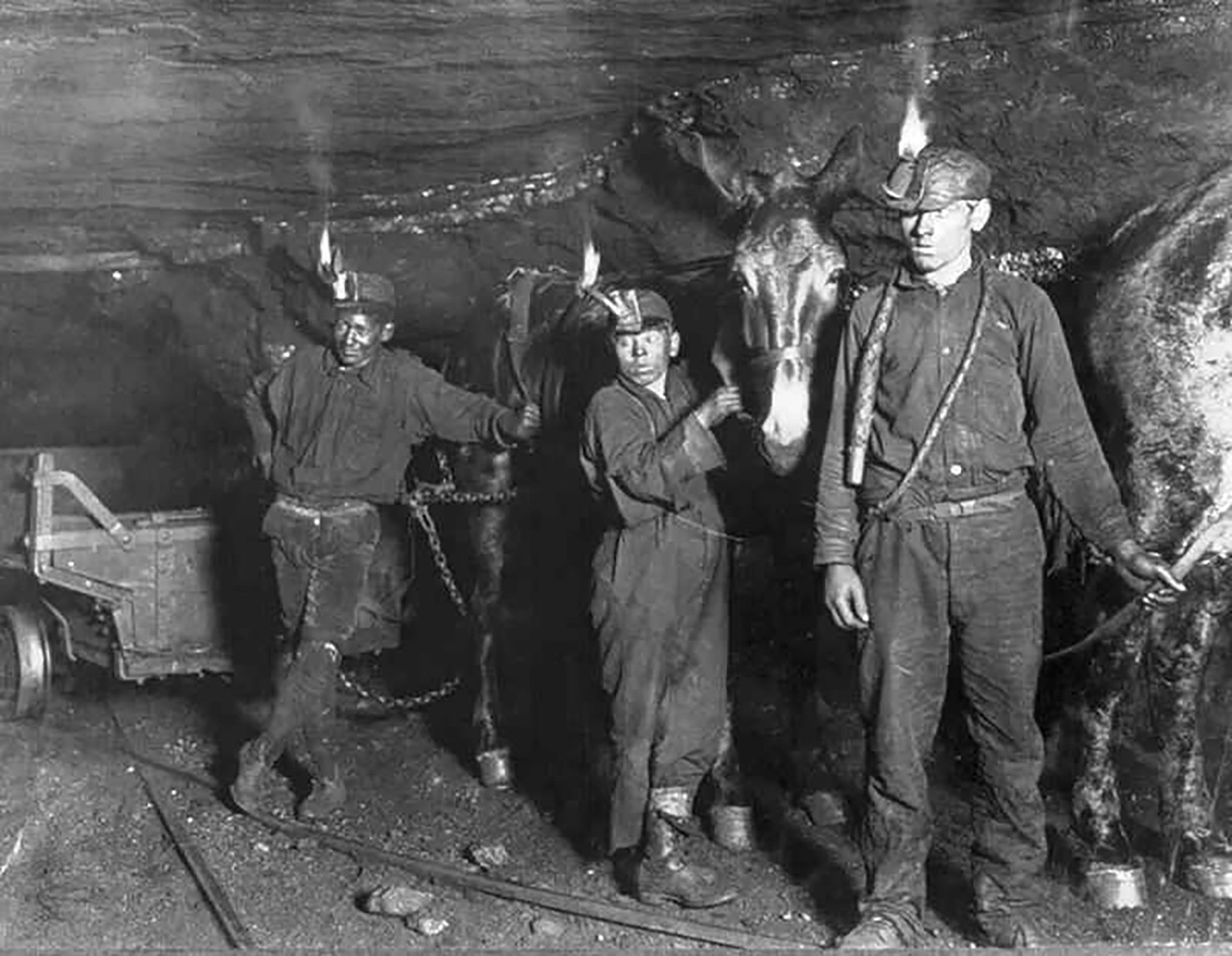
Mining coal has always been a dangerous and challenging occupation, requiring workers to dig deep underground, often in cramped and dangerous conditions. Miners at work, as they use pickaxes, shovels, and other tools to extract coal from deep within the earth. One striking aspect of these old photos is the sheer physical effort that mining required. The miners are often covered in coal dust, their faces and clothing blackened by the work they do.
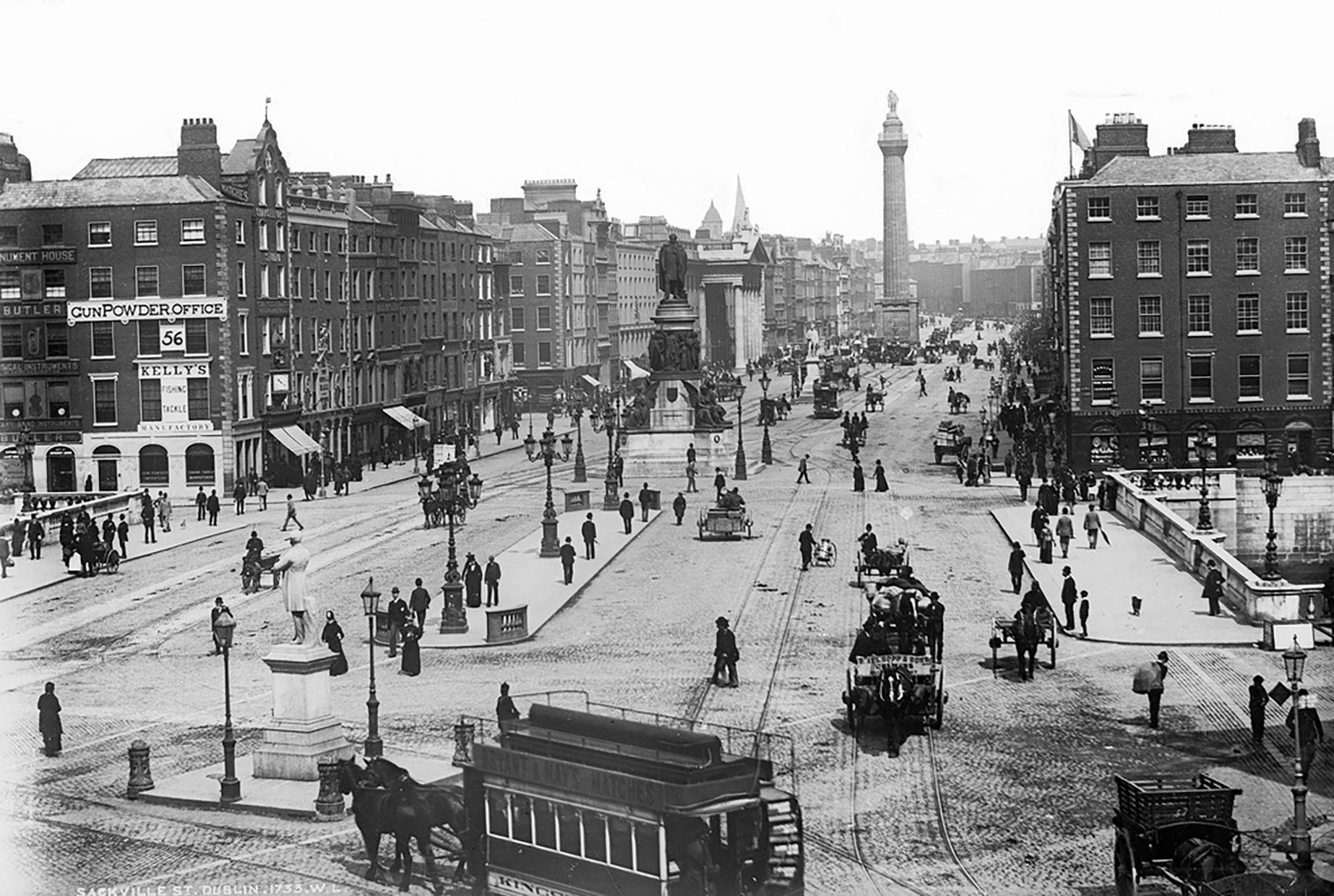
Although Dublin remained moderately prosperous on the surface, it was festering underneath. The city had some of the worst slums in Europe. Infant and child mortality rates were uncommonly high, with tuberculosis constituting a particular scourge; sanitation and hygiene were practically nonexistent. An investigation in 1910 revealed that 20,000 families were each living in just one room.
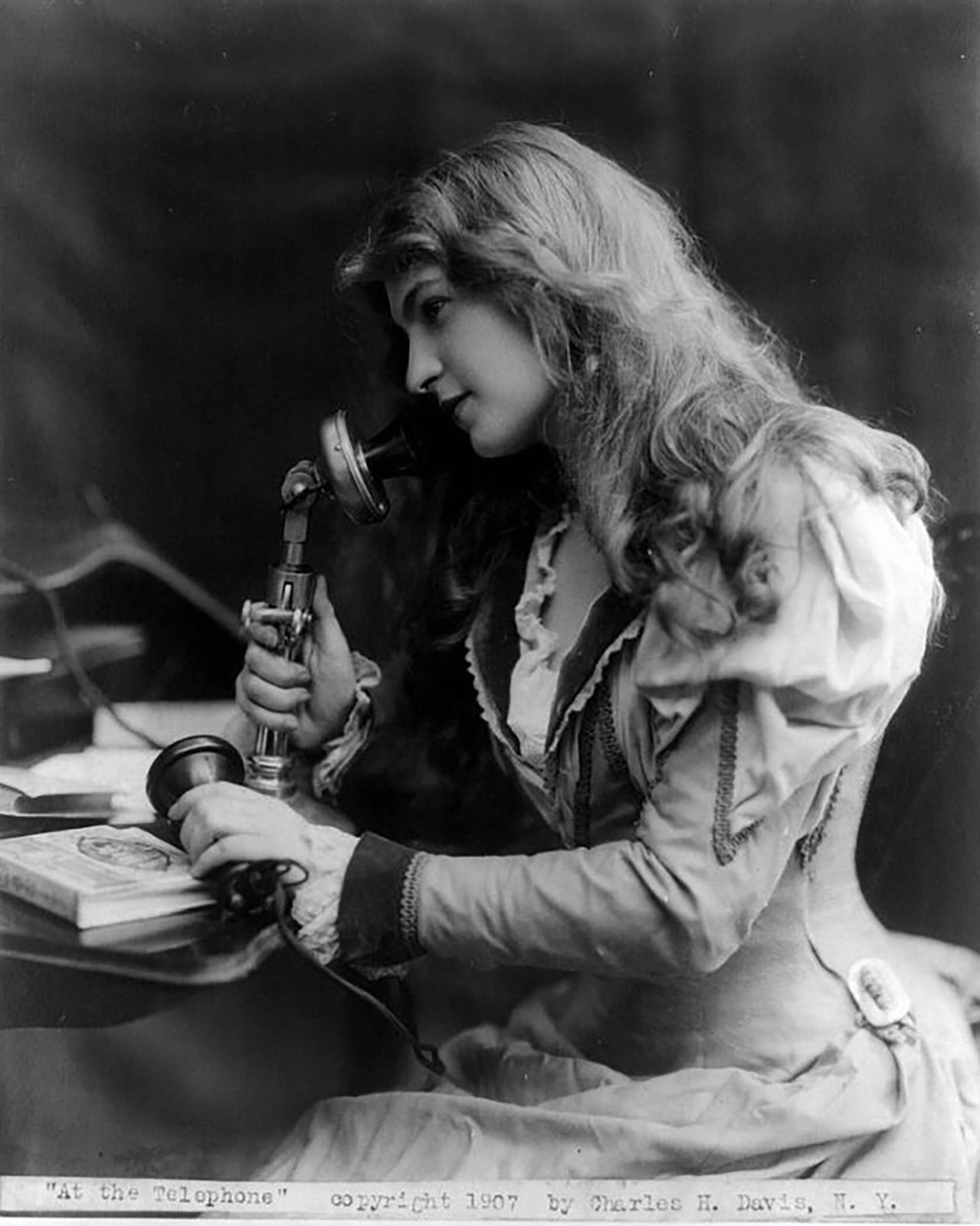
The telephone was a mind-blowing invention. People used to chat on the phone way back in the late 1800s and early 1900s. The telephone changed things. It wasn’t just about the tech; it was about how we connected. Friends chatting, business deals getting done—all through this new invention. The story begins with Alexander Graham Bell, often credited as the inventor of the telephone. In 1876, Bell patented his invention, marking a pivotal moment in history.
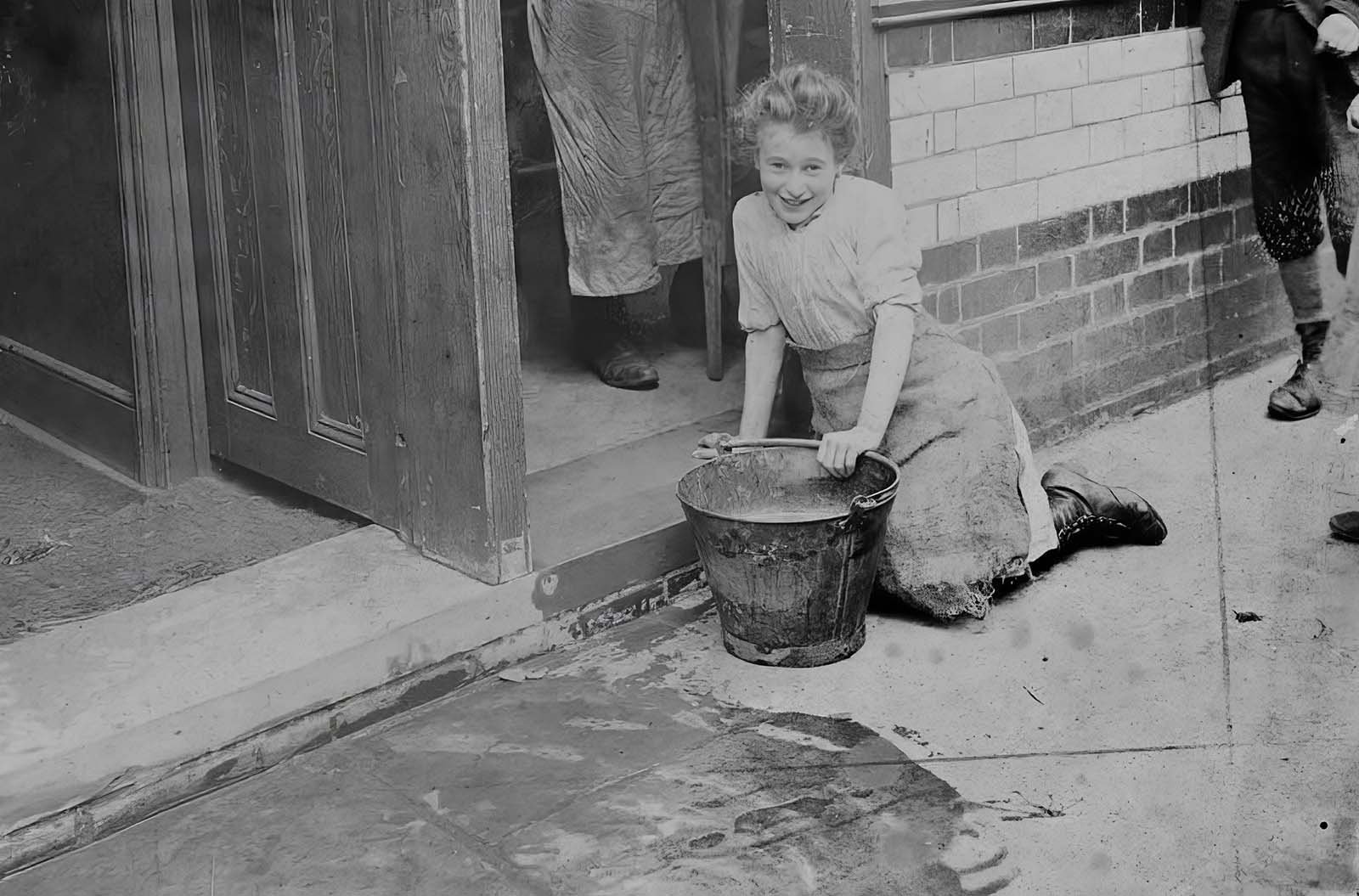
In the late 19th century, England was known for its wealth, but not everyone shared in its prosperity. Even though it was one of the richest countries, many neighborhoods, especially in London, were very poor. Around 35 percent of Londoners lived in poverty by the end of the 1800s.
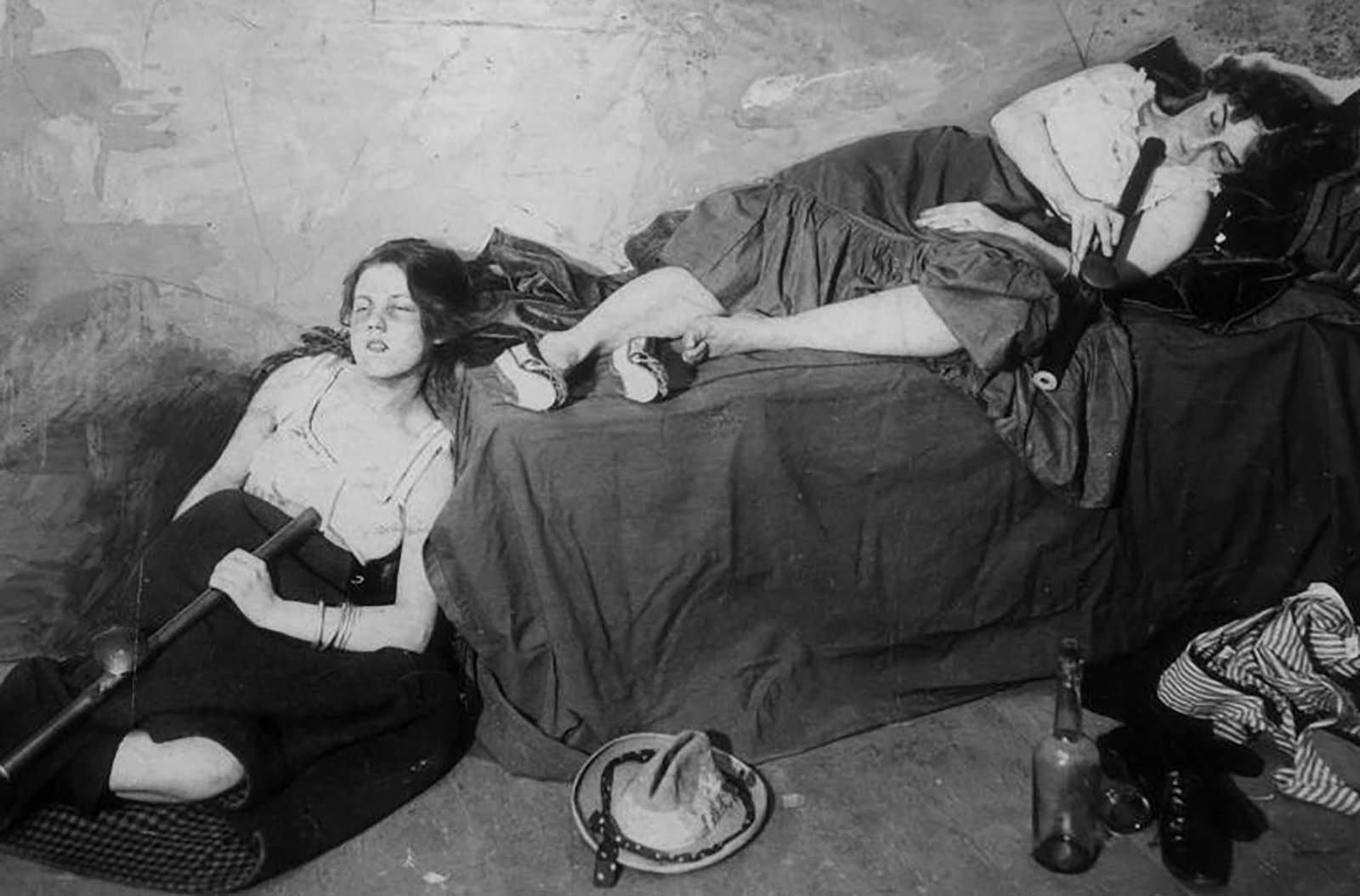
The acrid smoke hung thick in dimly lit basements across America’s cities, where customers from society’s highest and lowest rungs sought refuge in clouds of vaporized opium. These haunting photographs capture a shadowy chapter of American history when underground dens became gathering places for those chasing escape through the narcotic haze, ultimately forcing the nation to confront its first major drug crisis. Chinese immigrants brought opium culture to American shores during the mid-1800s, with the earliest establishments appearing in San Francisco’s Chinatown between the 1840s and 1850s.
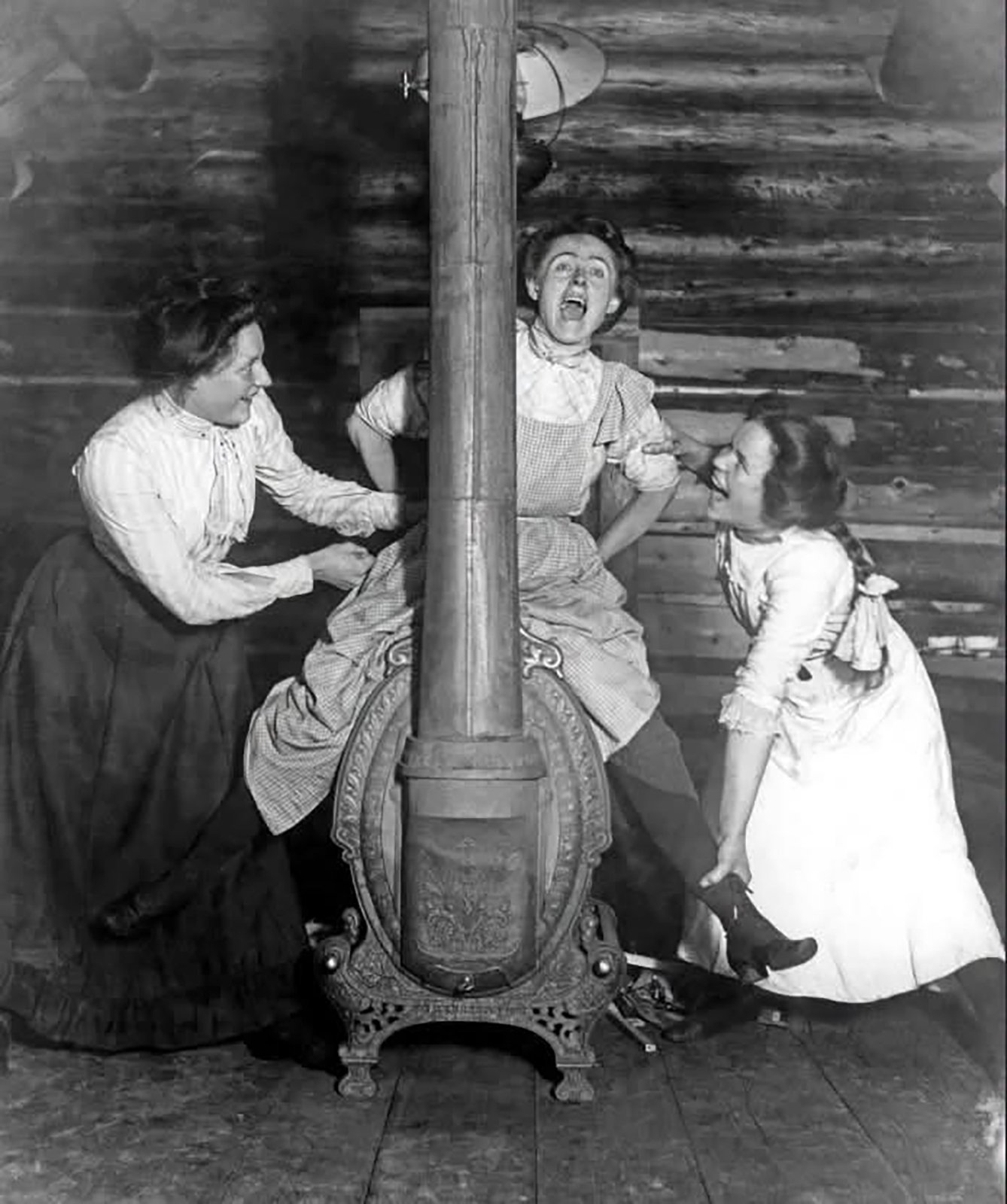
This famous photograph, often titled “Mattie on a Hot Stove,” is one of the earliest examples of a staged news-style photograph. Despite appearances, it was not documenting a real accident. Instead, photographer Richard Maynard arranged the scene to create a humorous and dramatic image that showcased the expressive possibilities of photography at a time when cameras were still relatively new to the public.
At the turn of the 20th century, wood- and coal-burning cast-iron stoves were common fixtures in North American homes. They provided heat, hot water, and cooking surfaces, but they also posed significant hazards. Burns, house fires, and carbon monoxide poisoning were common household dangers before modern safety standards and central heating became widespread.
Photography in 1902 was undergoing rapid change. Faster shutter speeds and improved film technology allowed photographers to capture more dynamic scenes rather than the rigid, motionless portraits typical of the Victorian era.
Added fact: Vancouver’s population was only about 27,000 people in 1901. By 1911, it had grown to more than 100,000 residents, making it one of the fastest-growing cities in Canada during the early 20th century.